Shopify Analytics Without a Developer: Smarter Insights for Modern E-commerce
Introduction
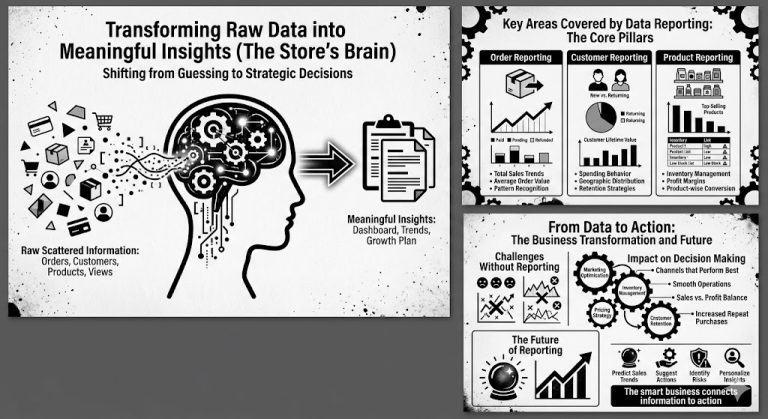
In today’s eCommerce environment, data is no longer optional—it is essential. Every Shopify store generates a continuous stream of information: orders, customer behavior, product performance, inventory movement, refunds, and marketing results. This data holds the key to smarter decisions, stronger strategies, and long-term business growth.
However, many store owners face a common challenge.
They have access to data, but they do not have the technical expertise required to fully use it.
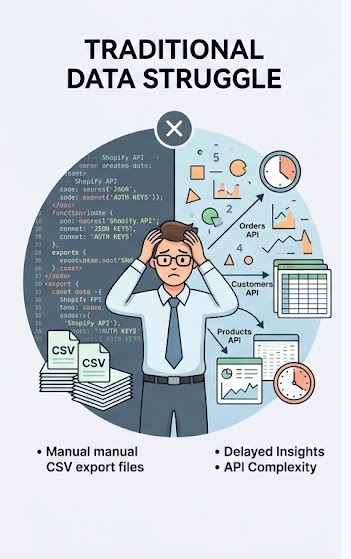
Traditionally, advanced analytics required developer support. Businesses needed coding knowledge, API integrations, custom dashboards, and ongoing technical maintenance just to understand basic performance insights. This created dependency, delays, and operational frustration.
But modern eCommerce is changing.
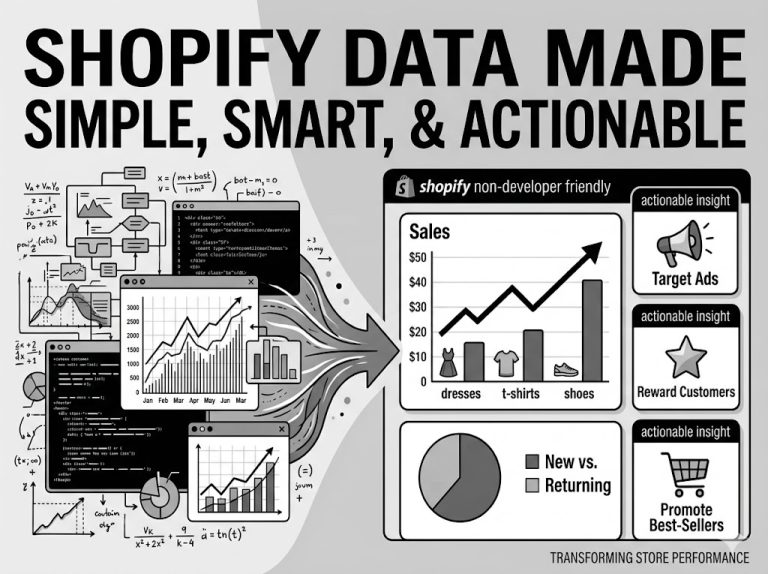
Today, businesses can access meaningful analytics without relying on developers. They can track performance, understand customer behavior, and improve operations using simplified, accessible systems designed for non-technical users.
This shift is not just about ease of use.
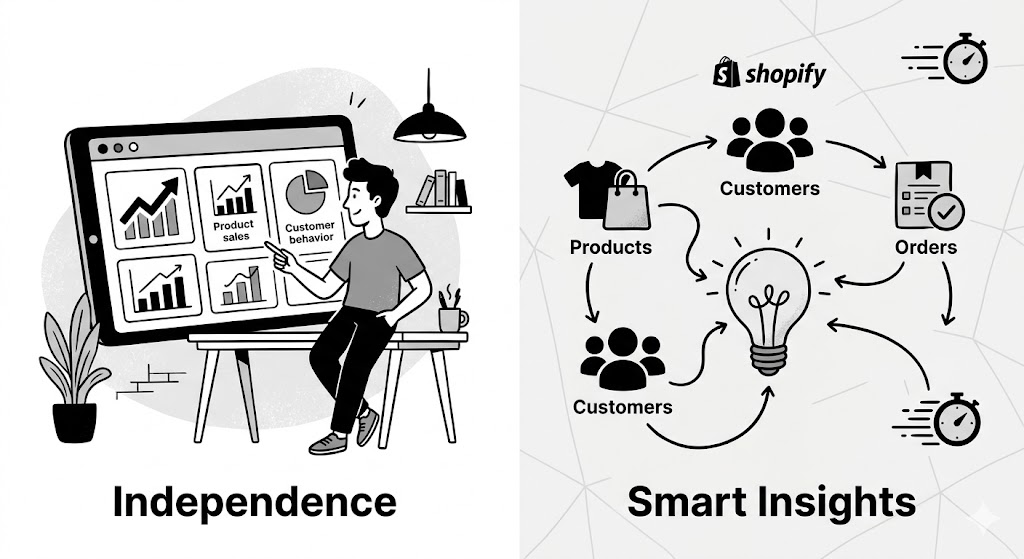
It is about speed, independence, and better decision-making.
When analytics become accessible, businesses move faster, act smarter, and grow stronger.
The Hidden Problem: Data Without Usability
Many Shopify stores already have access to analytics through built-in dashboards and reports.
But access alone is not enough.
The real issue is usability.
Data often appears in fragmented formats:
Sales reports in one section
Customer data in another
Inventory updates somewhere else
Marketing insights separated again
This fragmentation creates confusion.
Business owners struggle to connect the dots.
They see numbers—but not the full picture.
For example:
Sales may be increasing, but profitability may be declining.
Traffic may be growing, but conversions may be weak.
Products may be popular, but return rates may be high.
Without clear and connected insights, businesses rely on assumptions instead of facts.
This leads to poor decisions.
And poor decisions slow growth.
Analytics should simplify business understanding, not complicate it.
That is why accessibility matters.
Why Developer Dependency Slows Growth
When analytics depend on developers, decision-making becomes slow.
Teams must request reports.
They wait for data extraction.
They rely on technical explanations.
They adjust strategies only after receiving updated information.
This delay creates lost opportunities.
In eCommerce, timing matters.
A trending product may need immediate promotion.
A declining conversion rate needs quick correction.
Inventory shortages require fast action.
If businesses wait too long, they lose revenue.
Developer dependency creates bottlenecks.
It limits agility.
And in a competitive market, slow businesses struggle to keep up.
Analytics should empower teams—not restrict them.
That is why businesses are shifting toward systems that allow independent access to insights.
The Rise of No-Developer Analytics
Modern Shopify analytics tools are designed for accessibility.
They remove technical barriers and allow business users to interact with data directly.
This means:
No coding required
No complex setup
No dependency on developers
No delays in accessing insights
Instead, users can:
View performance instantly
Track key metrics easily
Understand trends quickly
Make decisions confidently
This shift democratizes data.
It allows business owners, marketers, and operations teams to use analytics as part of their daily workflow.
Analytics becomes a business tool—not a technical challenge.
And that creates a powerful advantage.
Sales Analytics Without Complexity
Sales performance is one of the most important aspects of any eCommerce business.
But revenue numbers alone do not tell the full story.
Businesses need deeper insights:
Which products are performing best?
Which products generate the highest profit?
Which sales channels bring valuable customers?
How do discounts affect margins?
Accessible analytics systems allow users to explore these questions without technical effort.
They provide clear views of:
Revenue trends
Product performance
Sales by time period
Customer purchase patterns
Profit insights
This helps businesses move beyond basic reporting.
They can optimize pricing, adjust promotions, and focus on high-value products.
Sales decisions become proactive.
And proactive decisions improve profitability.
Understanding Customers Without Technical Barriers
Customer insights are one of the strongest drivers of long-term growth.
But many businesses only track orders, not behavior.
Accessible analytics help businesses understand:
Who their best customers are
How often customers return
What products create loyalty
Where customers drop off in the buying journey
This supports better strategies for:
Customer retention
Personalized marketing
Improved user experience
Higher conversion rates
Repeat customers often generate more value than new ones.
That is why understanding behavior is essential.
When analytics are easy to access, customer insights become clearer.
And clearer insights create stronger relationships.
Inventory Analytics Made Simple
Inventory management is often overlooked, but it directly impacts profitability.
Too much stock blocks cash flow.
Too little stock leads to missed sales.
Slow-moving products reduce overall efficiency.
Accessible analytics help businesses track:
Fast-selling items
Low-performing inventory
Restocking needs
Seasonal demand patterns
This allows for smarter decisions around purchasing and stock management.
Businesses can reduce waste, improve cash flow, and maintain better product availability.
Inventory becomes a strategic asset instead of a daily challenge.
Real-Time Visibility for Faster Decisions
Traditional reporting often involves delays.
Reports are generated weekly or monthly.
But eCommerce changes daily.
Customer behavior shifts quickly.
Sales trends evolve rapidly.
Marketing performance can fluctuate within hours.
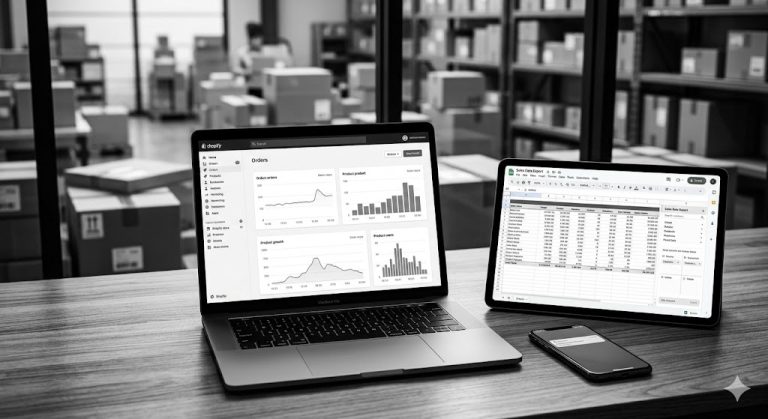
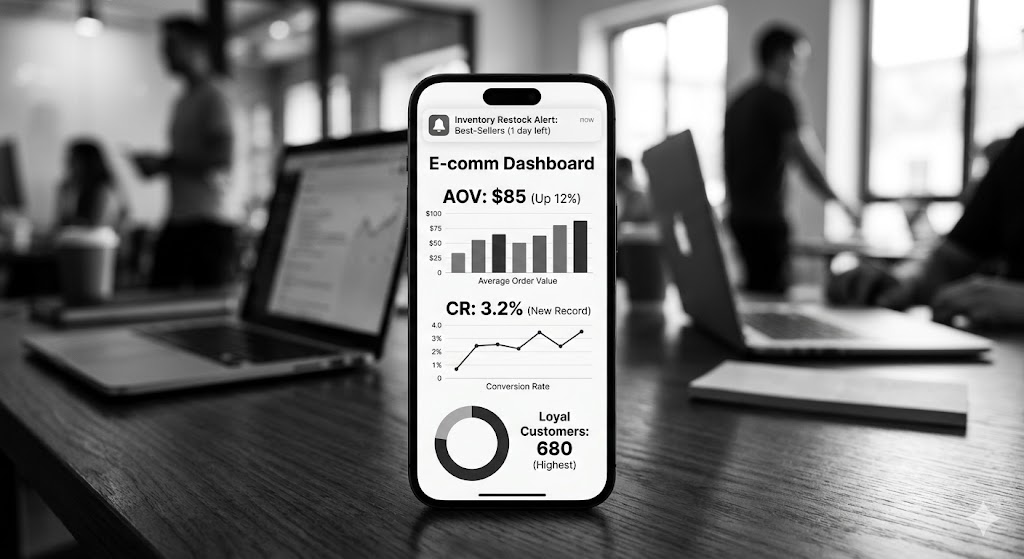
Accessible analytics provide real-time visibility.
Businesses can:
Monitor performance instantly
Respond to changes quickly
Adjust strategies without delay
This speed creates a competitive advantage.
Businesses that act faster capture more opportunities.
And opportunities drive growth.
Reducing Errors and Improving Accuracy
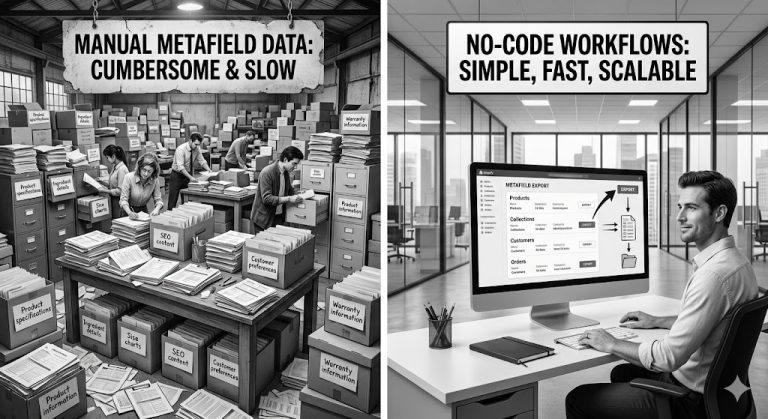
Manual data handling often leads to mistakes.
Copy-paste errors
Missing records
Outdated spreadsheets
Inconsistent reporting
These issues create unreliable insights.
And unreliable insights lead to poor decisions.
Accessible analytics systems reduce manual intervention.
They ensure consistent and accurate data flow.
This improves:
Reporting reliability
Financial forecasting
Operational planning
Accurate data builds trust.
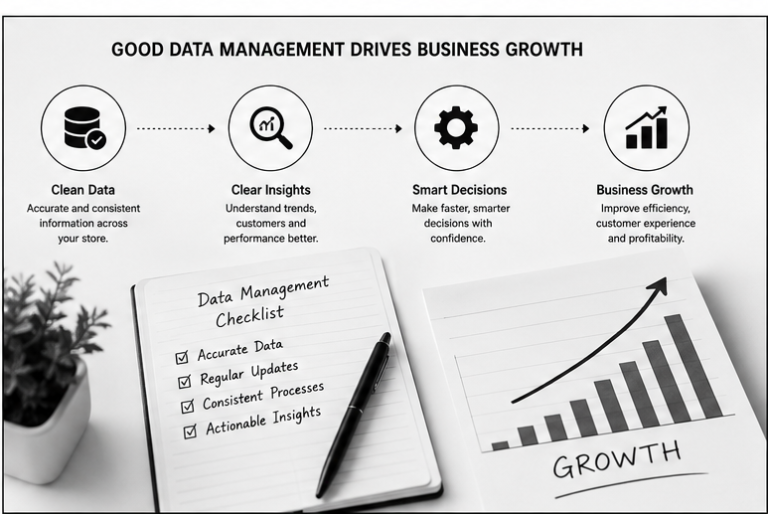
And trust in data leads to confident decisions.
Empowering Small Teams to Work Smarter
Many Shopify businesses operate with small teams.
These teams handle multiple responsibilities:
Sales
Marketing
Customer service
Inventory
Operations
They do not have time for complex analytics systems.
They need simple, efficient tools.
Accessible analytics allow small teams to:
Work independently
Make faster decisions
Reduce manual workload
Focus on growth
This levels the playing field.
Small businesses can operate with the efficiency of larger organizations.
And efficiency creates competitive strength.
Scaling Without Technical Complexity
As businesses grow, data complexity increases.
More products
More customers
More transactions
Without proper analytics, growth creates confusion.
Accessible analytics systems scale with the business.
They maintain clarity, structure, and visibility.
This ensures that growth remains manageable.
Businesses can expand without losing control.
Scalability is not just about handling more data.
It is about maintaining clarity as complexity increases.
Building a Data-Driven Culture
When analytics are accessible, teams use data more frequently.
They review performance regularly.
They base decisions on evidence.
They identify opportunities faster.
This creates a data-driven culture.
In such environments:
Decisions are more accurate
Strategies are more effective
Growth is more consistent
Data becomes part of everyday operations.
Not just a monthly review.
And that cultural shift is powerful.
Final Thoughts
Shopify analytics without a developer is not just a convenience.
It is a modern business advantage.
It transforms:
Complex data into clear insights
Technical barriers into accessibility
Delayed decisions into faster action
Uncertainty into confidence
Businesses no longer need to rely on developers to understand their performance.
They can access insights directly, act quickly, and grow strategically.
The goal of analytics is not complexity.
It is clarity.
And clarity drives better decisions.
In modern eCommerce, the businesses that win are not the ones with the most data—
but the ones that understand it best.
Accessible analytics make that possible.
And that is where real growth begins.