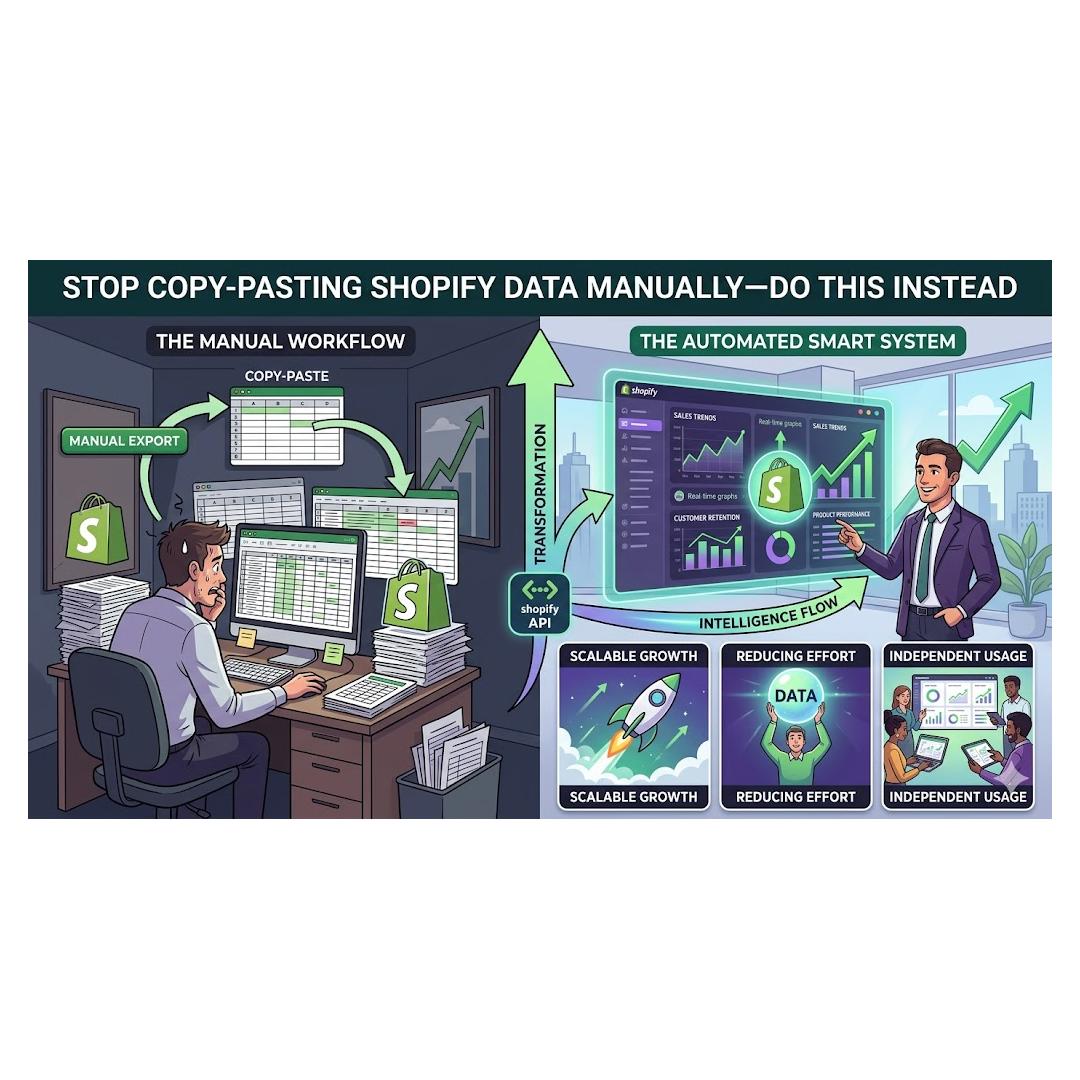
Stop Copy-Pasting Shopify Data Manually—Do This Instead
The way Shopify data is handled often defines how efficiently an eCommerce business operates. Manual copy-pasting may appear simple in the beginning, but it slowly turns into a repetitive cycle that consumes time, introduces errors, and limits growth. What starts as a quick workaround eventually becomes a barrier to scalability and smart decision-making.
A modern eCommerce business does not struggle with a lack of data—it struggles with how that data is used. Every order, customer interaction, and product update generates valuable information. When this information is trapped in spreadsheets or handled manually, its potential is reduced to basic record-keeping instead of strategic insight.
The shift begins by moving away from manual effort and toward intelligent data handling.
The Shift from Manual Effort to Smart Systems
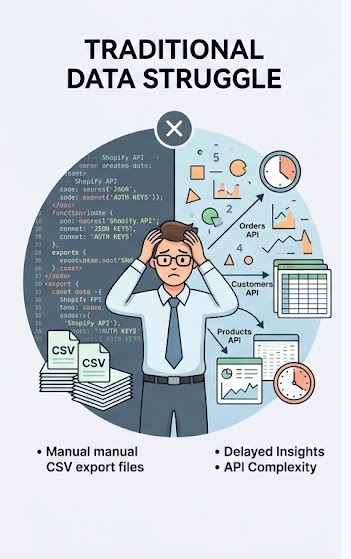
Manual workflows follow a predictable pattern—exporting files, cleaning data, arranging columns, and updating sheets repeatedly. This process creates a dependency on time and effort rather than efficiency.
A smarter approach replaces this cycle with automation and structured data flow. Instead of repeatedly extracting information, data becomes continuously available, organized, and ready to use. The focus moves from handling data to understanding it.
This shift transforms data from a task into a resource.
Data Becomes a Continuous Flow
Traditional methods treat data as something static—something collected at one moment and analyzed later. This creates delays and disconnects between business activity and decision-making.
A modern approach introduces continuous data flow. Information updates automatically, reflects real-time activity, and stays aligned with ongoing operations. Sales trends, customer behavior, and product performance become instantly visible rather than delayed insights.
This dynamic nature of data allows businesses to stay responsive, adaptive, and aligned with market changes.
From Fragmented Information to Structured Clarity
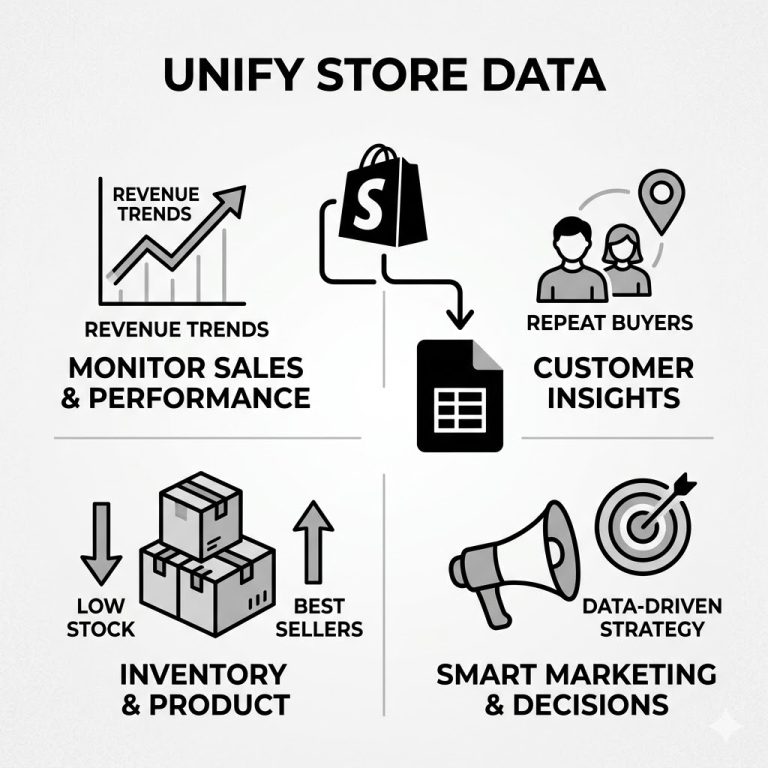
Raw data often exists in scattered formats. Orders are in one place, customer details in another, and product data somewhere else. When handled manually, this fragmentation creates confusion and inconsistency.
A structured system organizes this information into a unified format. Data is no longer just collected—it is refined, categorized, and presented in a meaningful way. This clarity makes it easier to interpret patterns, identify trends, and draw conclusions without unnecessary complexity.
Instead of working with disconnected pieces, businesses operate with a complete and coherent view.
Reducing Effort Without Reducing Insight
Simplifying data does not mean removing its depth. The real improvement lies in making complex data easier to access and understand while preserving its richness.
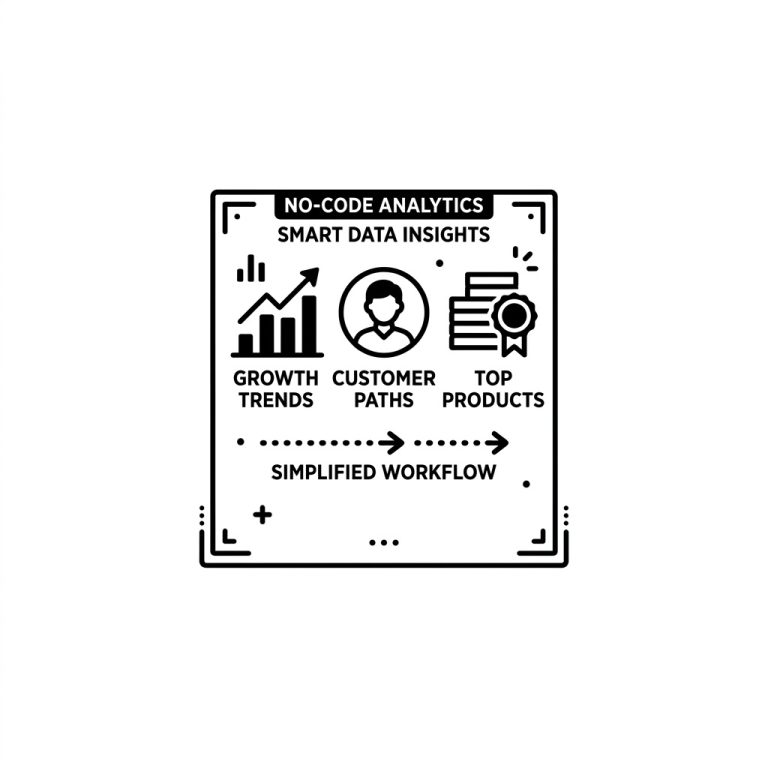
A refined system allows users to explore both high-level summaries and detailed metrics without friction. Insights become accessible without requiring technical expertise. This balance ensures that data remains powerful while becoming more approachable.
The result is a system where simplicity enhances understanding rather than limiting it.
Transforming Numbers into Meaning
Numbers alone do not create value. Their meaning emerges through context, patterns, and interpretation.
When data is structured and continuously updated, it begins to tell a story. A change in sales reflects shifting demand. Customer activity reveals preferences and behavior. Product performance highlights opportunities and gaps.
This transformation turns data into a narrative that guides decisions. Instead of reacting to isolated figures, businesses respond to clear signals and evolving trends.
Eliminating Repetition and Operational Friction
Manual processes involve multiple repetitive steps—exporting, formatting, verifying, and updating. Each step introduces delays and increases the risk of inconsistencies.
Automation removes these layers of friction. Data preparation happens instantly, formatting remains consistent, and information is always ready for use. This efficiency allows teams to redirect their focus from operational tasks to strategic thinking.
Work becomes less about managing processes and more about creating impact.
Encouraging Independent Data Usage
Traditional data systems often create dependency on technical expertise. Accessing and interpreting data may require specialized skills, slowing down workflows and limiting flexibility.
A simplified and automated approach removes this dependency. Data becomes accessible to a wider range of users, enabling teams to work independently and confidently. Decision-making becomes faster because insights are readily available without external support.
This independence strengthens agility and improves overall productivity.
Aligning Data with Business Direction
Not all data contributes equally to growth. The true value lies in focusing on information that aligns with business objectives.
A structured system highlights relevant metrics and filters out unnecessary noise. Sales trends, customer retention, and product performance become central to analysis. This alignment ensures that attention is directed toward outcomes that matter.
Clarity replaces overload, making decision-making more focused and effective.
Adapting to Growth Without Complexity
As a business expands, its data naturally becomes more complex. Manual systems struggle to keep up with increasing volume and detail, often leading to confusion and inefficiency.
An automated approach scales effortlessly. Larger datasets are managed with the same clarity and structure as smaller ones. Insights remain accessible regardless of growth, ensuring continuity and stability in operations.
This adaptability allows businesses to grow without being constrained by their data systems.
Closing the Gap Between Insight and Action
Access to data alone does not guarantee progress. The real advantage comes from acting on insights quickly and effectively.
A streamlined system connects understanding directly with action. Insights are presented in a way that supports immediate decisions. Changes can be implemented without delay, and results can be observed in real time.
This connection transforms data from passive information into an active driver of progress.
A New Way of Working with Data
The transition from manual handling to intelligent systems represents more than a technical upgrade—it reflects a change in mindset.
Data is no longer treated as a separate task. It becomes integrated into daily operations, influencing decisions at every level. Teams interact with data naturally, using it as a guide rather than a burden.
This approach creates a more efficient, informed, and responsive business environment.
Final Perspective
Manual copy-pasting of Shopify data belongs to an earlier stage of digital operations. It limits efficiency, slows down insights, and restricts growth potential. A modern approach replaces repetition with automation, fragmentation with structure, and delay with real-time clarity.
The result is a system where data is always available, always relevant, and always aligned with business needs.
In Essence
Manual effort fades.
Structured systems take over.
Data evolves from static records into a continuous, intelligent flow.
Business decisions become faster, clearer, and more effective—driven not by effort, but by insight.